
Wealden
BNG Units for sale in the High Weald - An inspiring vision for biodiversity and nature recovery.
Added on 21/12/2023
Overview
Description
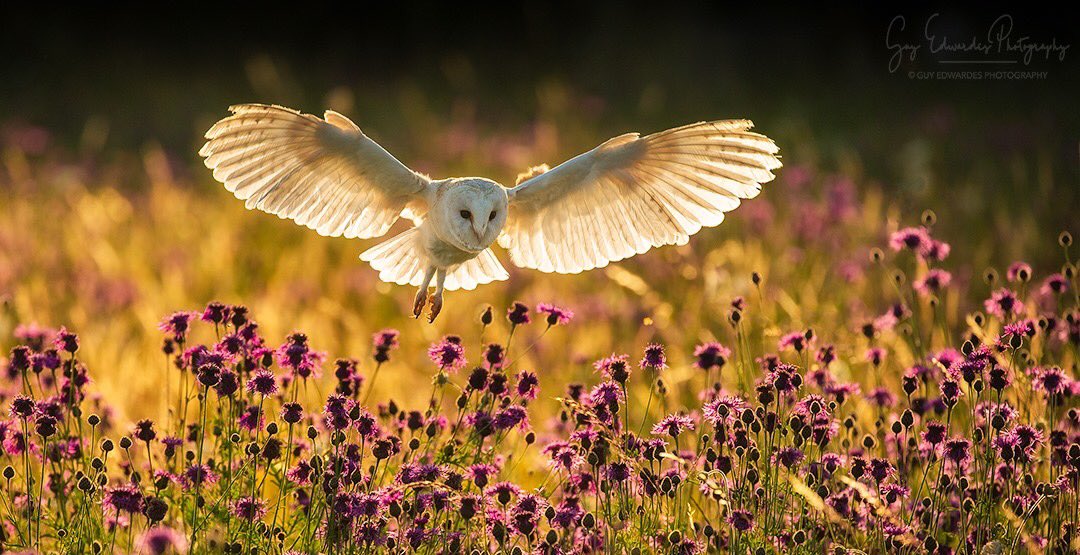
An inspiring vision for biodiversity and nature recovery. A CIC supporting both wildlife and humans. We are passionate about the creation of Biodiversity. We aim to become one of the most inspiring nature recovery projects creating new habitats, and restoring ancient habitats anew, funded by the sale of Biodiversity Net Gain (BNG) Units for developers. By 2025, our biodiversity restoration project will have restored habitat and created space for nature, allowing our a huge range of species to expand and recover whilst still retaining food production and allowing organisations of all sizes to meet their BNG obligations. Our strategy is enhancing woodland creation, wild flower meadows, orchards, ponds, reintroduction of beavers and improving the site from modified grassland to ‘good’ condition, ‘very high’ distinctiveness lowland meadow, wild flower meadows. This would involve the establishment of an MG5 plant community, including species such as Yellow Rattle (Rhinanthus minor), Common Bent (Agrostis capillaris), Common Knapweed (Centaurea nigra) and Ox-eye Daisy (Leucanthemum vulgare). The remaining area has been targeted for creation of ‘good’ condition mixed scrub, incorporating local species into the planting scheme to complement surrounding patches of the 230 acres of ancient woodland we manage. Management of these habitats would likely involve light grazing with highland cows to maintain open spaces and vegetation height, as well as promote the growth of wildflowers which typically get outcompeted by fast-growing grass species. In addition to this, hay cropping in late summer to early autumn would promote the establishment of a rich sward. Lowland meadow A neutral grassland occurring at lower elevations, with more than 15 species per m2, more than 30% cover of broadleaved herbs and sedges, and less than 10% cover of rye grass (Lolium perenne) and white clover (Trifolium repens). These ‘unimproved’ grasslands have high conservation value as they are incredibly species-rich, boasting charismatic and increasingly rare wildflowers such as orchids which are essential for pollinators. This staggering diversity can be attributed to traditional systems of hay cutting and grazing that have persisted for centuries. Recent changes in agricultural practices have caused a dramatic loss in this habitat, decreasing by 97% since 1935. Mixed scrub Dense vegetation characterised by a mixture of low-growing, typically woody species. This habitat is essential for ground-nesting birds and passerines, with the dense and often thorny growth providing protection, and a variety of food sources including insects, seeds, berries and other small invertebrates. Scrub often occurs as an element of transitional zones and successional habitat at the edges of grasslands, forests and rivers. In this way, new plantations can play an important role in restoring a variety of ecosystem functions, from strengthening riparian zones around floodplain to replicating natural recolonisation of native woodland.
Local Planning Authority
Wealden
National Character Area
High Weald
Total Units
38 units
Unit Price
POA
Area Units
| Broad Habitat | Habitat | Distinctiveness | Available Units | Unit Price (£) | |
|---|---|---|---|---|---|
| Grassland | Lowland meadows | Very High | 30 | POA | |
| Heathland and shrub | Mixed scrub | Medium | 8 | POA |
Wealden
Available
High Weald
Units available:
38
38
Unit price:
POA